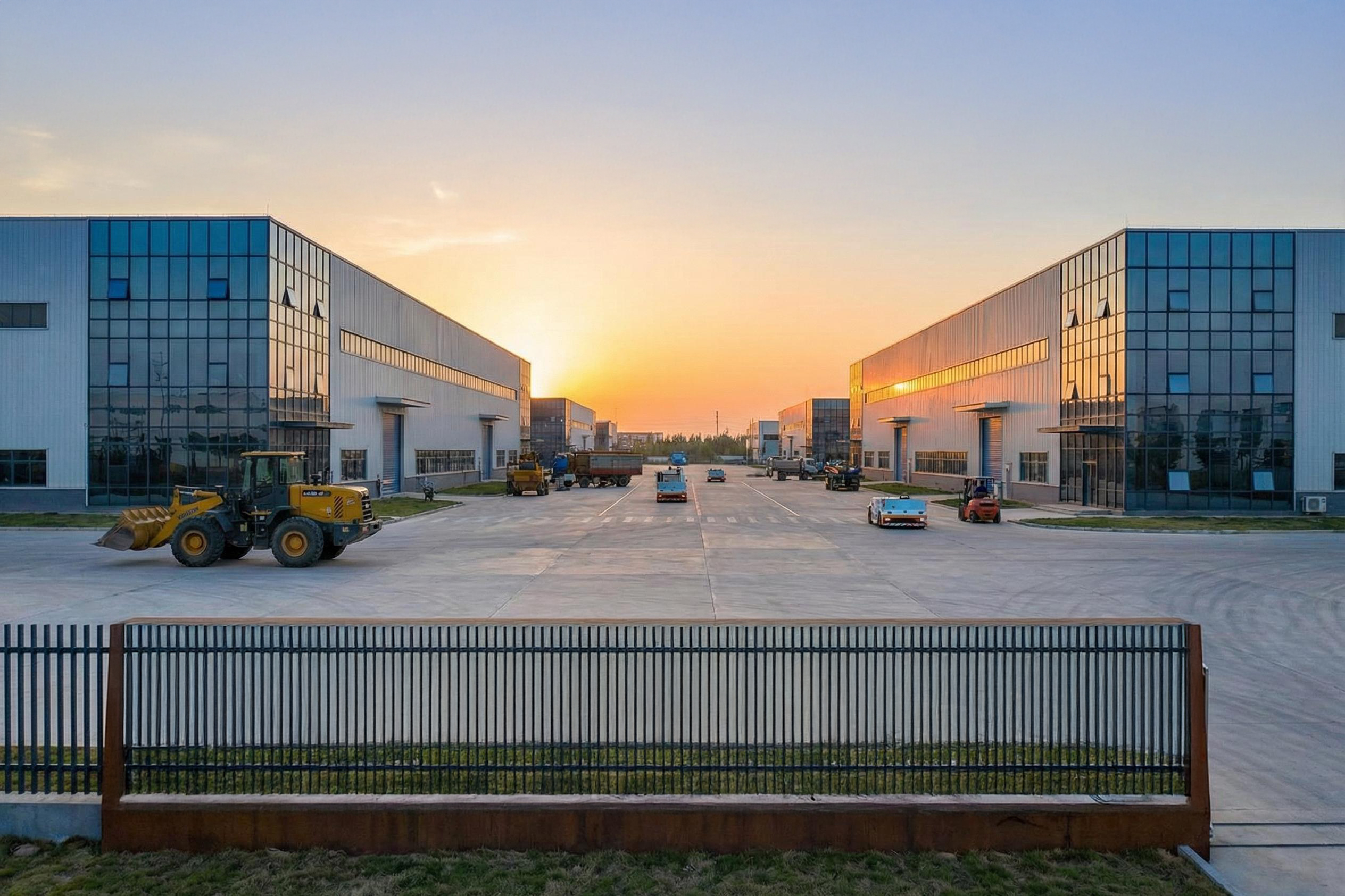

At Tempo Investments, we believe that today’s real estate environment offers compelling opportunities for disciplined investors — especially in the industrial sector and in structures that combine operational utility with long-term income. One of the most interesting vehicles in this space is the sale-leaseback.
What is a Sale-Leaseback?
In a sale-leaseback, a company sells its real estate asset, such as a logistics / manufacturing facility, and simultaneously leases that facility back under a long-term agreement. The operating company unlocks capital from its real estate and retains operational control. The investor acquires a net-lease asset with a secure tenant and long-dated cash flow.
Why Focus on Industrial & Why Now?
- The U.S. industrial market continues to benefit from structural tailwinds — supply-chain resilience, e-commerce fulfilment, and modern logistics remain in demand.
- In 2025, cap rates for many industrial assets have moved higher (i.e., pricing is more favorable for buyers than at the market peak). That means better entry yields for investors.
- Institutional and private-equity buyers remain active in sale-leaseback transactions, especially in industrial/logistics properties, reinforcing market liquidity and competitive pricing.
- Operating companies are under pressure: growth initiatives, inventory needs, debt servicing — many view sale-leasebacks as a way to improve their balance sheets while remaining operationally flexible.
Why It’s a Smart Diversifier
Compared to more challenged CRE segments (such as some portions of office or traditional retail), well‐underwritten industrial sale-leasebacks offer:
- Predictable, long-term cash flows (often triple-net leases).
- Less operating risk (tenant continues business, the lease allocates responsibilities).
- Inflation escalators built into many agreements.
- A relatively defensive stance in a market marked by volatility elsewhere.
What We’re Watching
- Deal terms are becoming more exacting: longer lease terms (10–20+ years), stronger tenant credit, inflation escalators.
- Capital is flowing in: sponsors, institutional investors and private-equity firms are actively deploying into long-dated, well-located industrial sale-leasebacks.
- Specialized sub-sectors (cold-storage, last-mile facilities) are commanding higher pricing due to barrier-to-entry and high demand.
- With rising rates and cap-rate uncertainty, timing matters — entering now at more attractive valuations gives a margin of safety.
Our View at Tempo
We believe investors seeking passive, income-oriented real estate exposure should give industrial sale-leasebacks serious consideration. By focusing on high-quality assets, long-term leases, strong tenants and logistics-centric locations, investors can access a product that blends income, growth potential and balance-sheet resiliency. If you’re a high-net-worth professional looking for a real estate strategy that requires little time, generates cash flow and lives within a differentiated niche — this might be the space to explore.
Ready to Learn More?
Touch base with our Capital Markets team at Tempo Investments. We’d be happy to walk you through specific opportunities, deal structure mechanics and how this strategy could fit into your broader portfolio.
Contact us today and let’s unlock the potential of industrial sale-leasebacks together.
Investor Summary & Origination Team Checklist
Objective: Equip our origination team with a focused summary and checklist to evaluate industrial sale-leaseback opportunities efficiently and consistently.
1. Executive Summary
- Asset Type: Industrial/logistics facility (manufacturing, distribution, cold-storage, last-mile).
- Structure: Operating company sells real estate → investor acquires property → operator remains as tenant under long-term triple-net lease.
- Investment Thesis: Acquire a stabilized net-lease with long-term tenant covenant + inflation protection + industrial demand tailwinds + improved entry yield in 2025.
- Use Case: Operating company frees capital to invest in growth, pay down liabilities or optimize its business while preserving occupancy and operations.
2. Key Investment Criteria
- Tenant Credit: Minimum tenure/industry stability; preferably investment grade or private company with long operational history.
- Lease Term: Target initial term of 10 years or more, with renewal options and strong escalation clauses.
- Asset Quality & Location: Logistics-centric market (e.g., metro distribution hub, major highway access, large clear-height, modern facilities). Avoid outdated buildings far from demand nodes.
- Lease Structure: Triple-net (NNN) preferred — tenant handles taxes, insurance, maintenance.
- Escalators/Indexation: Built-in rent growth (CPI-linked or fixed escalators) to hedge inflation.
- Replacement Cost: Entry price should be at or below realistic replacement cost with manageable cap-rate.
- Exit Options: Portfolio scale or individual asset resale path; secondary market demand for these types of assets.
- Sponsor/Investor Return Profile: Target current yield plus upside from term rollover, lease-up, or credit improvement.
3. Risk Checklist
- Tenant Business Risk: Evaluate tenant’s business model, industry dynamics, lease dependency.
- Lease Renewal Risk: When initial term ends, what is the likelihood of renewal? Are renewal terms favorable?
- Obsolescence/Capex: Are there hidden landlord obligations or aging roof/structure/parking issues? Location risk?
- Market Conditions: Is industrial supply pipeline in the market region high? Are rents under pressure?
- Interest Rates/Cap Rate Sensitivity: Understand yield compression risk; insulate with margin.
- Accounting/Tax Implications: For the seller and for investors (lease classification, depreciation, basis).
- ESG/Environmental Liabilities: Are there potential hidden liabilities (brownfield, contamination) affecting the asset?
4. Origination Flow – Step-by-Step
- Identify potential operating company looking to unlock real estate value (e.g., manufacturing, logistics operator).
- Perform initial credit analysis on tenant; run business model, site importance, lease term requirement.
- Inspect property: location, condition, suitability for industrial/logistics use, all-in replacement cost.
- Negotiate sale price and lease terms: term length, escalators, landlord responsibilities, renewal options.
- Underwrite investor return: purchase price, financing assumptions, yield on cost, lease term, exit assumptions.
- Document lease structure and verify net-lease features (who bears taxes/insurance/maintenance).
- Stress-test variables: vacancy impact, tenant default scenario, future cap-rate trends.
- Final due diligence: structural/engineering, environmental, title, market comparables, sponsor alignment.
- Closing and transition: coordinate sale of real estate, execution of long-term leaseback, investor onboarding.
- Ongoing management/monitoring: track tenant performance, lease escalators, lease renewal timeline, asset maintenance.
5. Why Now (Market Cycle Rationale)
- We’re in a phase where industrial assets have been re-priced upward in yield (cap rates higher than in the euphoria of 2021-22) — that gives margin for new buyers.
- Fundamental demand remains strong, so downside risk of obsolescence is lower versus other CRE sectors.
- Private-equity and institutional capital are still looking for defensive income-oriented assets, so competition remains healthy but pricing discipline is returning.
- For high-net-worth investors seeking less operationally burdensome alternatives (i.e., passive real estate income) sale-leasebacks offer an attractive middle path: real estate exposure without the full operating burdens of property management.
At Tempo Investments, we specialize in identifying industrial sale-leaseback transactions that meet our strict underwriting criteria and align with high-net-worth investors seeking passive, income-oriented, growth-adjacent real estate exposure.
Reach out today to schedule a briefing with our Capital Markets team and explore how you can position for this opportunity set.